
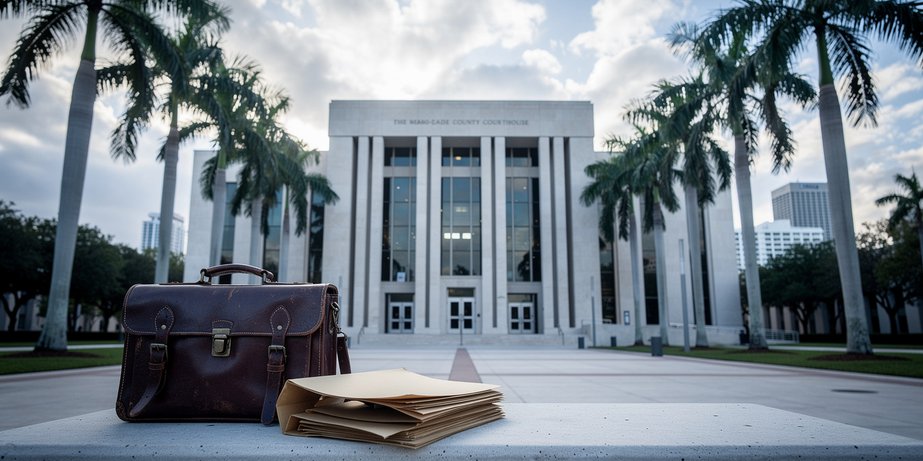
The notice gives you a date, a courtroom, and not much else. For most people this is the first time they have been inside a courthouse for anything, and the hearing that decides whether an injunction is entered against them — or whether the protection they asked for continues — often runs a matter of minutes. Everything that gets decided depends on what you walked in with. Here’s what actually carries weight at a Florida injunction hearing in Miami-Dade County, what to leave at home, and what both petitioners and respondents should have ready.
What the Hearing Actually Is
The final hearing on a petition for injunction is a full evidentiary hearing. Both sides may testify, call witnesses, present documents, and cross-examine. The judge decides based on what is presented, applying the standard for the type of injunction sought.
People consistently underestimate this. They expect a conversation with a judge who will sort out who is telling the truth. What actually happens is a proceeding governed by rules of evidence, where a well-organized file frequently matters more than a compelling account delivered from memory.
Documents That Carry Weight
Bring originals where you have them, and bring copies. You will need a copy for the judge, a copy for the other side, and one for yourself.
Messages and Call Records
Text messages, emails, voicemails, social media messages, and call logs are the most common evidence in these hearings. Print them rather than planning to scroll through a phone at the podium. Print them completely, including the dates, times, and the full exchange rather than the single message that helps you most, because an incomplete thread invites the argument that context is missing.
Photographs, Medical Records, and Reports
Photographs of injuries or property damage should be printed and dated where possible. Medical records documenting treatment carry weight precisely because they were created by someone with no stake in the outcome. Police reports, incident numbers, and case numbers help establish that events were reported when they happened rather than described for the first time in a courtroom.
Anything showing a pattern over time is worth assembling in order. Judges see a great many of these petitions, and chronology is what separates a documented history from a disputed argument.
Witnesses
Someone who personally saw or heard something relevant can testify. A friend who can only relay what you told them generally cannot say much that will be admitted.
Witnesses need to actually appear. Written statements and letters from people who are not present are usually not accepted, because the other side has no ability to cross-examine a piece of paper. If someone’s testimony matters and they will not come voluntarily, that is a subpoena issue, and subpoenas take time to arrange.
What Not to Bring or Do
Do not bring recordings you obtained by intercepting a conversation without consent. Florida law is restrictive on this point, and an illegally obtained recording can create legal exposure for the person who made it rather than helping their case.
Do not bring an audience. Supporters filling a gallery rarely helps and sometimes hurts.
And if a temporary injunction is already in place against you, do not contact the other party to discuss the hearing, resolve things beforehand, or ask them to drop it. That contact is itself a violation, and it converts a civil proceeding into a criminal one.
How Evidence Actually Gets In
Documents do not become evidence because you brought them. You have to give them to the clerk, have them marked, and ask the court to admit them, usually after establishing what they are and where they came from.
This procedural step is where unrepresented parties most often lose the benefit of good evidence. A folder of screenshots that never gets moved into evidence is a folder the judge cannot rely on when writing the order.
If You Are the Respondent
The consequences of a final injunction extend well past the no-contact provision. It can affect firearm rights, employment, professional licensing, immigration matters, and where you are allowed to live. Violating one is a criminal offense.
Your preparation looks different from the petitioner’s. It usually involves evidence that contradicts specific allegations, establishes where you actually were, or shows the full context of exchanges that were presented in fragments. It may involve witnesses to particular incidents. It frequently involves records that establish a timeline the petition glossed over.
Not appearing is the worst available choice. An injunction can be entered in your absence, and the practical difficulty of undoing one afterward is considerably greater than the difficulty of contesting it at the hearing.
Service and Continuances
Two procedural realities shape these hearings more than people expect.
First, a respondent must be personally served before the final hearing, and the packet includes the petition, notice of hearing, and any temporary injunction, along with a financial affidavit and a Uniform Child Custody Jurisdiction and Enforcement Act affidavit where those apply. If service has not been completed, the hearing generally cannot go forward on schedule.
Second, Florida Statute 741.30 allows the court to grant a continuance before or during a hearing for good cause shown by either party, including a continuance to obtain service of process, and any existing injunction is extended to remain in effect during the continuance. Cases are frequently reset once or more before they are actually heard.
Walking In Prepared
The hearing is short, the standard is specific, and the outcome carries real consequences in both directions. What determines it is almost never who feels more strongly. It is who assembled a record, organized it in order, brought the witnesses who actually saw something, and got the documents admitted.
Preparing that record, and knowing which parts of it will survive an objection, is the work our team at Reynoso Erickson Trial Law does with clients on both sides of a restraining order before the hearing date arrives.