
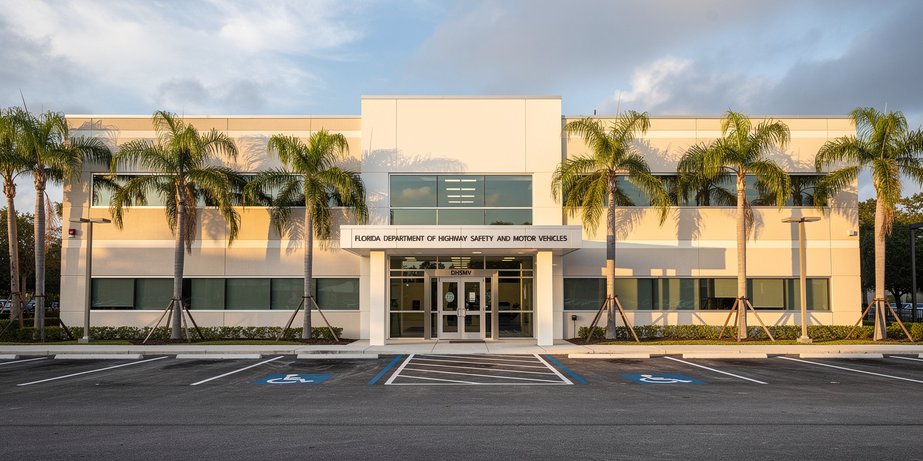
Two separate cases start the night of a DUI arrest, and only one of them happens in a courtroom. The criminal case gets a court date weeks out. The other one is administrative, it belongs to the Department of Highway Safety and Motor Vehicles, and it runs on a clock that starts immediately and expires in ten days. People focused on the charge routinely let that window close without knowing it existed. Here’s what the formal review hearing decides, what the deadline actually is, and why the hearing is worth requesting even in cases that look unwinnable.
Two Cases, One Arrest
The criminal case is the State of Florida prosecuting a charge. The administrative case is the Department suspending a driver license. They involve different decisionmakers, different standards, and different outcomes, and neither one controls the other.
That separation catches people repeatedly. A criminal case that ends favorably does not automatically undo an administrative suspension, and an administrative suspension that stands does not decide the criminal case. They have to be handled as what they are, which is two proceedings running at once.
The Ten-Day Window
Florida Statute 322.2615 governs the administrative suspension, and the deadline is unambiguous. A driver may request a formal or informal review of the suspension by the Department within ten days after the date the notice of suspension is issued.
Ten days, not ten business days, and it runs from issuance of the notice rather than from anything that happens in court. The notice is typically issued at the time of arrest, which means the clock is usually already running while someone is still processing what happened.
Miss it and the review is gone. The suspension proceeds on its own terms and the only remaining questions concern hardship eligibility and waiting periods.
How Long the Suspension Runs
The length depends on what the case involves. For a refusal to submit to testing, the statute provides a suspension of one year for a first refusal. For driving with an unlawful blood or breath alcohol level of 0.08 or above, it is six months for a first offense.
That difference surprises people who assumed refusing was the safer choice. On the administrative side, a first refusal carries double the suspension period of a first unlawful-level reading.
What the Hearing Officer Actually Decides
The review is narrow, and understanding its narrowness is what makes it useful rather than frustrating.
Under subsection (7), the review is limited to whether the officer had probable cause to believe the driver was operating or in actual physical control of a vehicle while under the influence, whether the driver had an unlawful blood or breath alcohol level of 0.08 or above, or whether the driver refused testing after being properly warned.
Notice what is not on that list. Whether you are a safe driver. Whether you need your license for work. Whether the stop was fair in some general sense. The hearing officer is answering specific questions, and arguments outside those questions do not reach the decision.
Why It Is Worth Requesting Even in Hard Cases
Plenty of these hearings do not result in the suspension being invalidated, and defense attorneys request them anyway for a reason that has nothing to do with the administrative outcome.
The formal review process allows subpoenas. The arresting officer and the breath test operator can be required to appear and testify under oath, months before the criminal case reaches any comparable stage. That testimony is recorded, it is given before the officer has been prepared by a prosecutor, and it locks in a version of events.
Inconsistencies between that sworn testimony and the written report, or between the testimony and the video, become material in the criminal case. Testimony about how field sobriety exercises were administered, about what was actually observed, about the sequence of events at the roadside, is frequently more useful in the courtroom than it was at the hearing where it was given.
In other words, a hearing that does not save the license can still substantially improve the criminal case. That is a real return on a ten-day deadline.
Formal Versus Informal Review
The statute allows either. An informal review is decided on the documents in the file, without a hearing, without witnesses, and without the ability to subpoena anyone.
The informal route is faster and requires nothing of the driver, which is precisely why it usually accomplishes less. It forfeits the testimony opportunity described above and leaves the outcome to be decided on the same paperwork the Department already has. For anyone whose license matters or whose criminal case is contestable, the formal route is generally the one worth using.
Driving in the Meantime
Hardship eligibility is built into the statute, with waiting periods that depend on the type of case.
Subsection (10) allows application for a license for business or employment purposes only. In refusal cases the waiting period runs ninety days after the temporary permit expires. In unlawful blood or breath alcohol level cases it is thirty days after expiration of the temporary permit.
That is another place the refusal decision shows up as costlier. The same conduct that doubles the suspension period also triples the wait before any restricted driving becomes available.
What to Do in the First Days
Find the paperwork issued at the arrest and look at the date on the notice of suspension, because that is the date the ten days runs from. Do not assume the first court date is the relevant deadline. It is not, and it will usually fall after the window has already closed.
Get the request filed, and get it filed as a formal review rather than an informal one unless there is a specific reason not to. Then use the time before the hearing to obtain what exists, which typically means the arrest report, the video, the breath test records, and the maintenance and calibration documentation for the instrument.
Treating the administrative case as the separate proceeding it is, and using it for everything it can produce rather than only for the license question, is where our team at Reynoso Erickson Trial Law starts on a DUI file.