
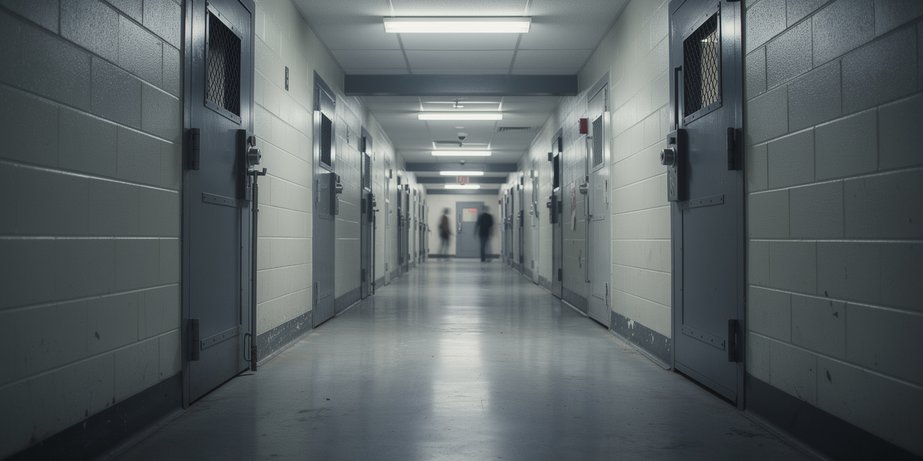
A sixteen-year-old is arrested on a Friday night. His mother is told he is being held and that there will be a hearing, and she assumes she can post something and take him home the way she could if he were an adult. There is no bond to post. Juvenile detention in Florida does not work that way, the decision is made on criteria rather than money, and it happens within hours. Here’s what the law allows, how quickly the first hearing has to occur, and what families can actually do in the window that matters.
There Is No Bond in Juvenile Court
The first thing to understand is structural. Florida’s juvenile system does not use money bail the way the adult system does.
A child is either released to a parent or guardian, placed on some form of supervised release or home detention, or held in secure detention. Whether that happens is governed by statutory criteria and a risk assessment, not by what a family can pay.
That cuts both ways. A family without resources is not disadvantaged by inability to post a bond. A family with resources cannot buy their child’s release either.
What Secure Detention Requires
Florida Statute 985.255 sets out the circumstances under which a child may be placed into secure detention, and it is a defined list rather than a general discretion.
The grounds relate to things like the seriousness of the alleged offense, whether the child is already under supervision or has a history of failing to appear, whether there is a risk the child will fail to appear or will commit further offenses, and whether the child presents a danger. The statute also addresses children alleged to have committed certain serious offenses and children with outstanding warrants or pending cases.
Detention is also informed by a risk assessment instrument that scores factors including the current offense, prior history, and current legal status. A child must generally score at a level the instrument indicates before secure detention is used.
The practical implication is that the alleged offense alone usually does not decide it. A child with no history, no pending cases, and stable supervision at home is in a materially different position than one with an open case and prior failures to appear, even on similar allegations.
The Twenty-Four Hour Rule
The timing provisions are where families most need accurate information, because the first window is extremely short.
Under Florida Statute 985.26, a child taken into custody and placed in detention must be given a detention hearing within 24 hours. That hearing is where a judge reviews whether continued detention is warranted.
Twenty-four hours means the hearing frequently occurs the next morning, including on weekends. Families who assume nothing will happen until Monday routinely miss the single most important proceeding in the case.
The statute also limits how long detention can continue. Secure detention before an adjudicatory hearing is capped at a defined period, with the statute setting a limit of 21 days unless an adjudicatory hearing has begun, and a longer limit in cases involving specified serious offenses. Extensions are available only in defined circumstances.
Why the Detention Hearing Is the Case
That hearing is not a formality and it should not be treated as one.
It is the first time a judge sees the child, hears from the family, and decides whether this is a child who can be supervised at home. The impression formed there carries forward, and a release at that hearing changes everything that follows, because a child at home can attend school, continue treatment, and participate in their own defense.
What helps is concrete and it has to be present in the courtroom. A parent or guardian who appears and can describe the supervision available at home. Proof of school enrollment and attendance. Any existing counseling or treatment. A realistic account of who will be with the child during the day. An alternative address where a relative can supervise, if the home situation is part of the concern.
Families who arrive with that information do considerably better than those who arrive upset and unprepared, and the difference is not sophistication. It is preparation inside a very short window.
Alternatives to Secure Detention
The choice is not binary, and knowing the middle options allows a family to propose something rather than simply object.
Home detention places the child at home under conditions and supervision. Electronic monitoring is available in appropriate cases. Release to a parent on specified conditions, including curfews and school attendance requirements, is common.
A court weighing whether to release a child responds much better to a specific proposal than to a general request. Saying that a grandmother is available to supervise during the day and that the child will be enrolled and attending by Monday gives a judge something to order.
What Families Should Not Do
Two things consistently damage these cases in the first hours.
The first is letting the child be interviewed. A child has the same right not to answer questions that an adult does, and juveniles are particularly likely to talk their way into trouble trying to be helpful or to explain. No interview should happen without counsel present, and a parent’s presence is not a substitute.
The second is discussing the incident on the phone from detention. Those calls are recorded and routinely used. Families should treat every call as something a prosecutor will eventually hear.
Acting Inside the First Day
Almost everything that matters in a juvenile detention case happens before most families have finished processing the arrest. The hearing is within 24 hours, the information that would help has to be gathered immediately, and nobody tells a family what to bring.
Getting counsel involved before that hearing, and arriving with a concrete supervision plan rather than an argument, is where our team at Reynoso Erickson Trial Law does the most for a family in the first day of a juvenile case.